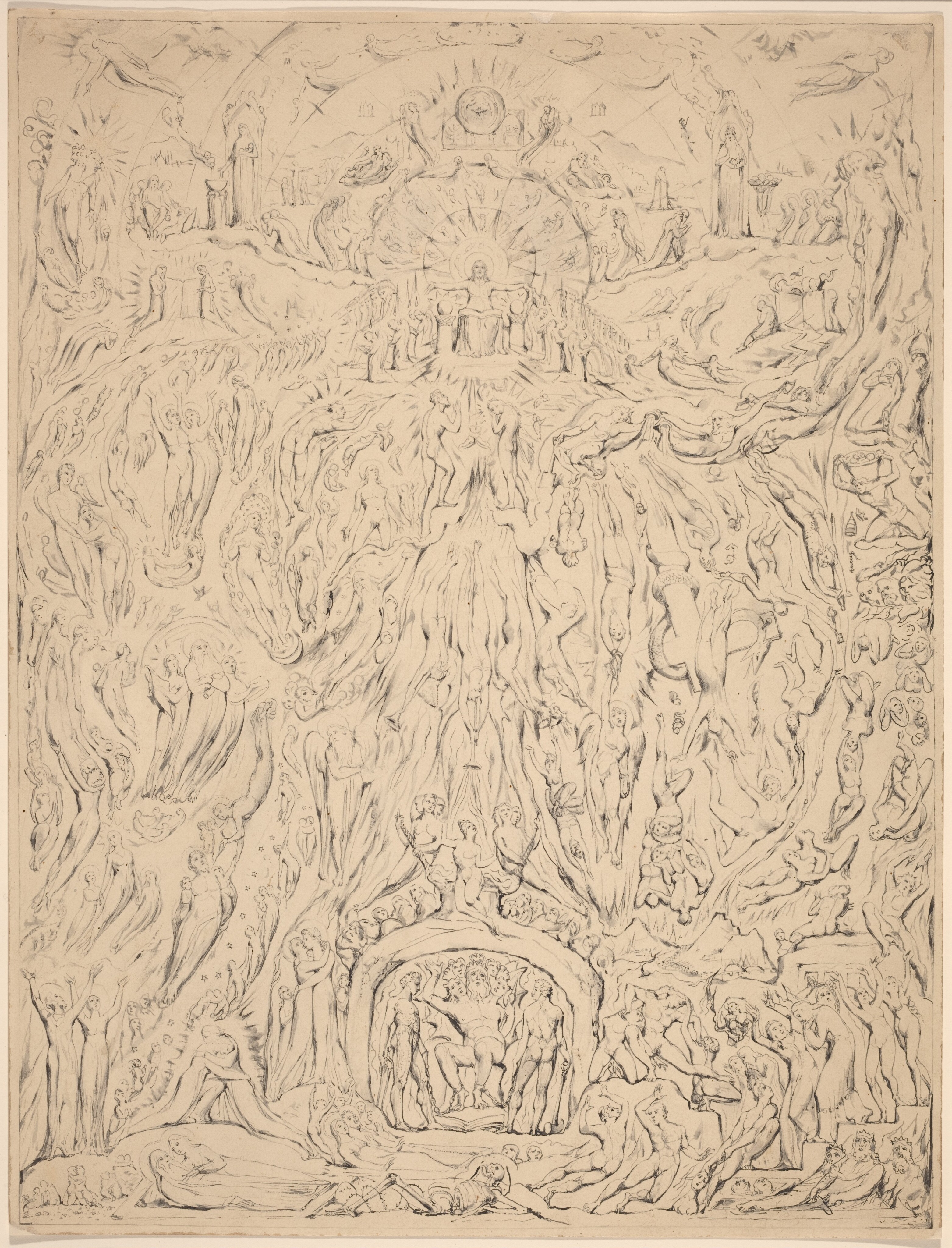
Blake/An Illustrated Quarterly is a peer-reviewed scholarly journal devoted to William Blake (1757–1827)—the British poet, artist, and engraver—and his circle. We publish articles, notes, and book reviews, as well as several annual features: a review of sales of works by Blake and his followers, and checklists of publications and discoveries, music, and exhibitions.

About the journal
Buy a print version of an issue
Whole issues from vol. 46, no. 1 on can be purchased in hard copy format from MagCloud, our print-on-demand vendor.
For authors
 Please consult our contributor guidelines as you prepare your work. Here is the copyright agreement that you will be asked to sign once we receive your submission.
In the next issue
 When the Blakes lived on South Molton Street, who were their neighbors? Angus Whitehead goes door to door.
Windle